

From Fear to Freedom: My Experience with DIY Film Dev & Scan
How I Conquered the Challenges of Developing and Scanning My Own Photos


Substack is what you make of it.
At first, I thought I only wanted to share my adventures as an analog photography enthusiast. I promised myself I would talk about the good, the bad, be vulnerable, and learn from everyone.
A month later, I couldn't be happier with the amazing people I've found here.
I went from being scared of developing rolls to being excited about it. I even ended up getting my own scanner, so my main pain of having to wait for the photos delivery is buried. I develop them whenever I want without depending on anyone.
In this section, I want to acknowledge the following people whose influence was huge in taking this step, which for me was an unthinkable madness and today, it's just a lovely anecdote to this wonderful hobby that is analog photography.
Special thanks to:
I don't have the fortune of knowing you personally, but know that you have greatly influenced this new stage of my analog photography.
Hands-on: Cinestill D96 Monobath Developer
The part that worried me the most ended up being the easiest. I always thought I would ruin my rolls trying to load them into the developing tank.
I watched a million videos on YouTube, but I still couldn't figure out the trick to make the roll advance. In the end, once I understood that using my index fingers was the key to advancing the roll inside the spool, everything became very simple.
At this point, you might say I'm crazy because I'll confess: I find it really fun to load the roll into the spool inside the changing bag. Maybe it's because they are my first rolls, but it's a part of the ritual that I love.
Using the Cinestill Monobath D96 developer is very simple. You just have to follow the instructions regarding timing and agitation.
They provide the following links that I’ve found useful and easy to follow:
My take on Cinestill D96 Monobath
This developer has divided opinions on the internet. Some love it and others… prefer alternatives.
At this point in the story, I don't feel confident to give a clear and strong opinion on whether it's better or worse than other traditional developers.
What I do know is that for beginners like me, it's excellent. It helps to lose the fear of doing it wrong. It's almost as if there's no way to mess it up. You'd have to be blind or have poor reading comprehension to really ruin a roll.
The results are good enough for me. I'm not a fine art photographer. The photos I take are from my ordinary days and my photo walks I do on weekends.
This developer is excellent for me and in summary, I would say the following:
PROS
Easy and quick to use
Reusable
Good enough results
Did I mention quick to use?
CONS
Shelf life is limited: 2 months once opened
Unopened bottle: 1 year of life
You can only pull or push by 1-stop
You need to add 15 seconds per roll developed to the next roll developing time
About the last point, it goes like this:
first roll (let’s say) 4 minutes development time (could be 3 or 6 depending on the temperature)
second roll would be 4 minutes + 15 seconds
third roll would be 4 minutes + 15 seconds + 15 seconds
and so on.
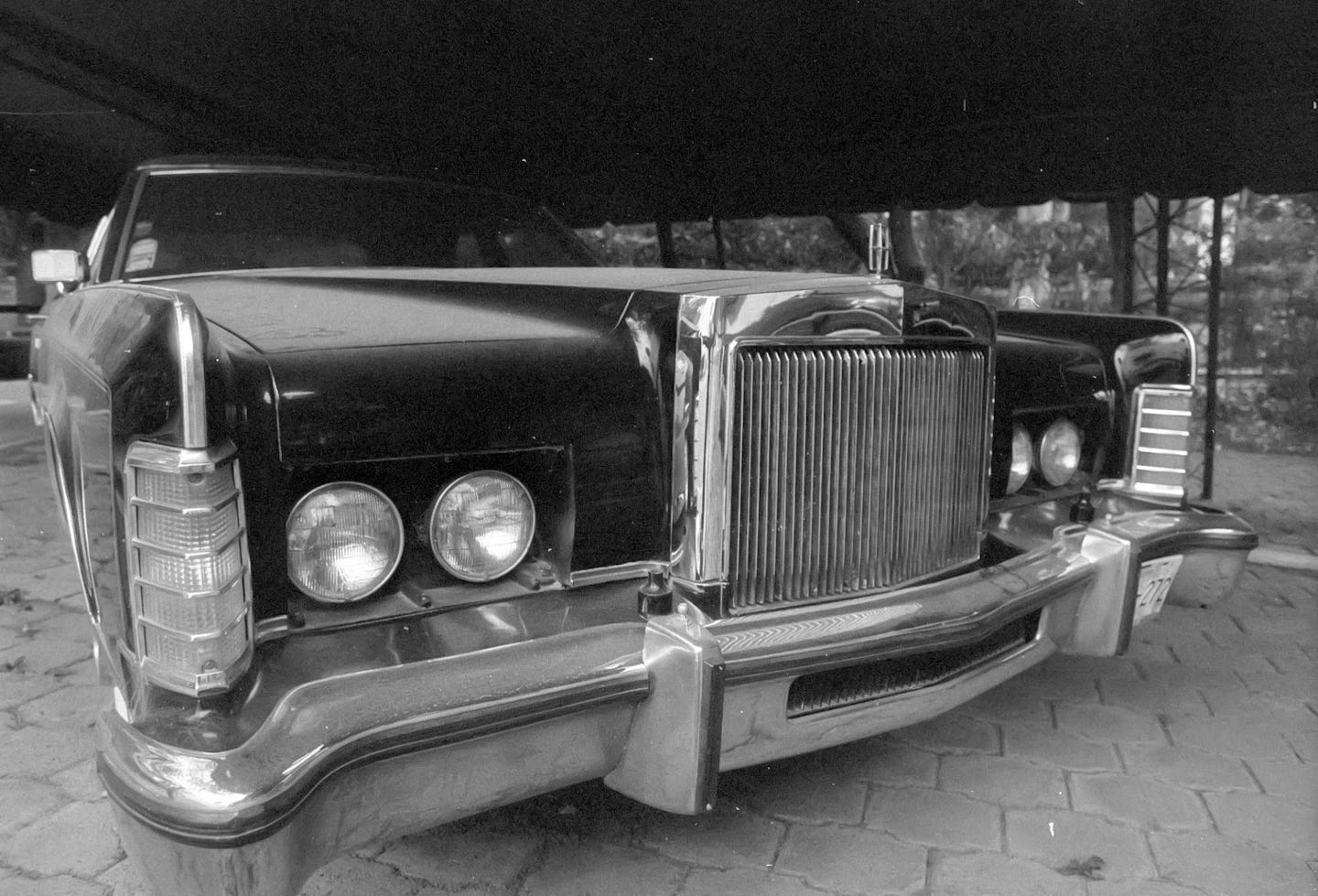
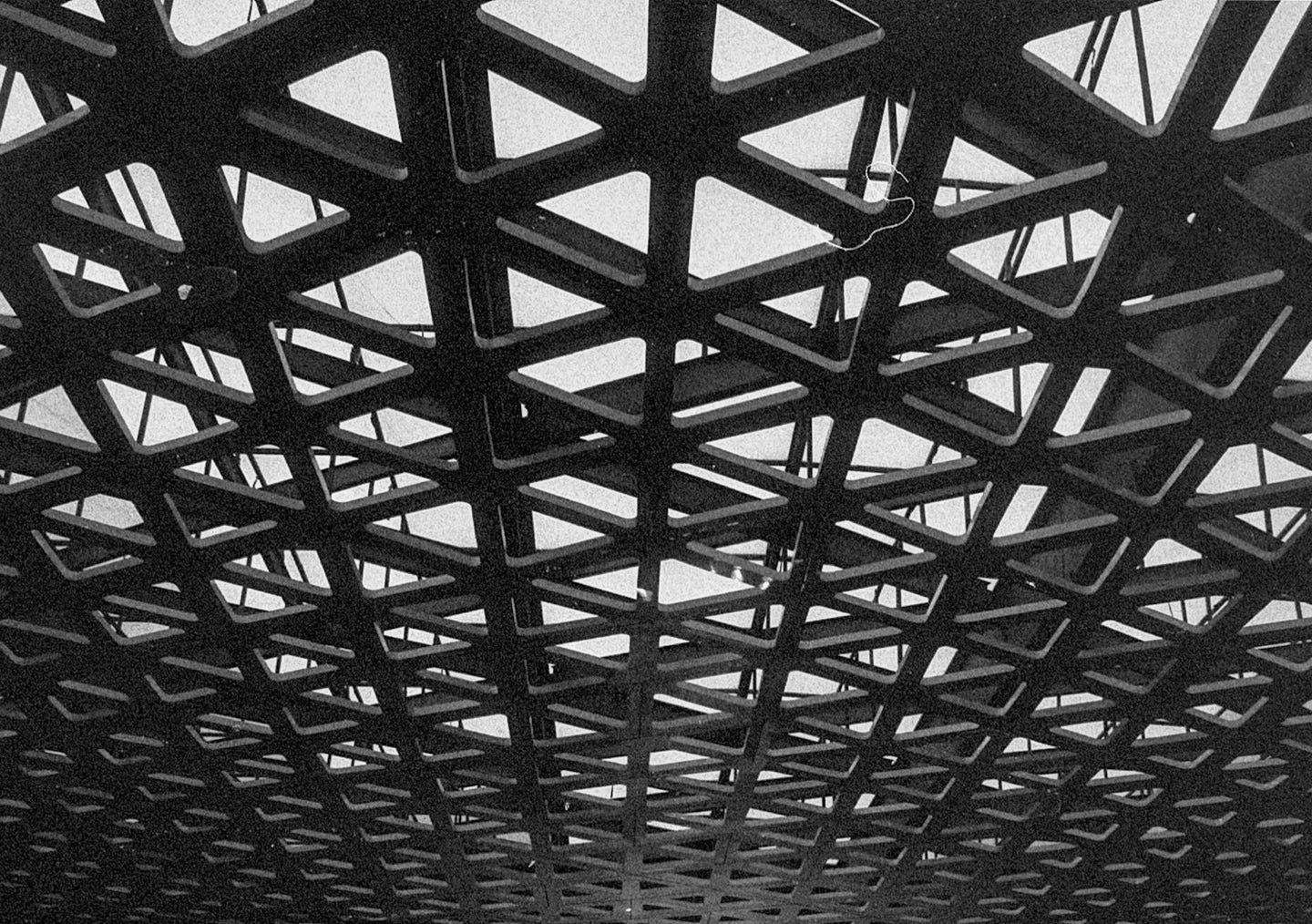
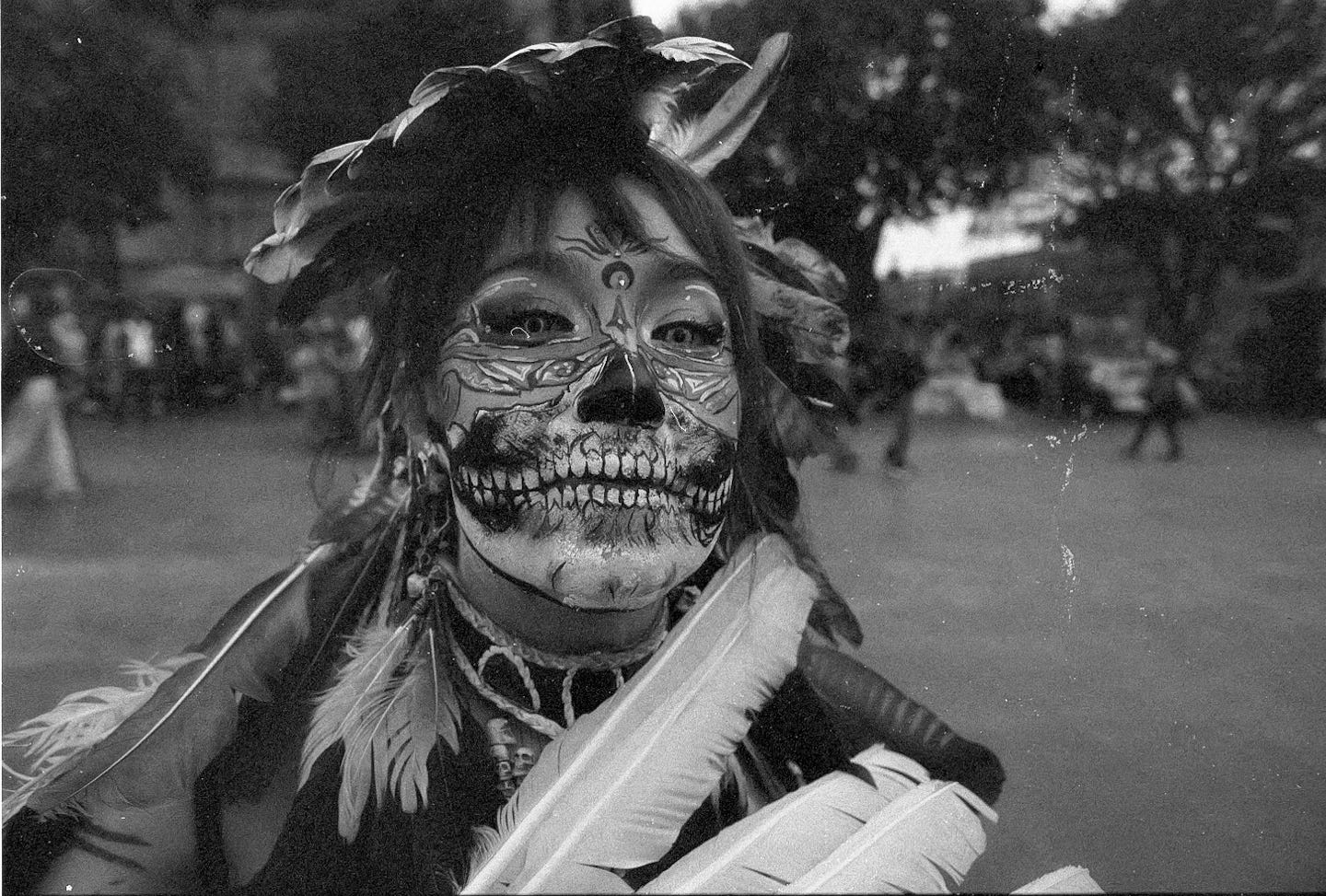
Images from the first roll developed by myself in history
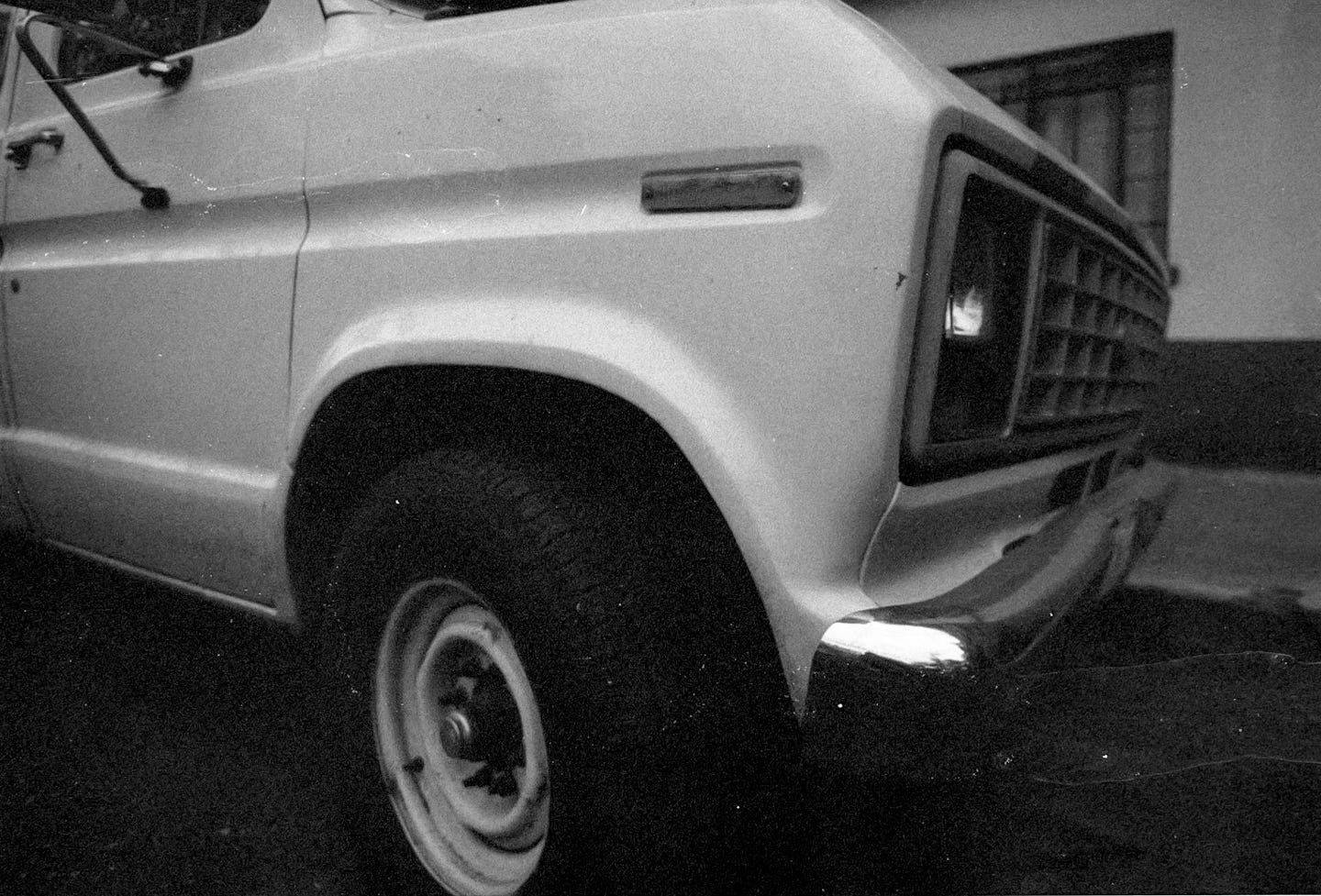
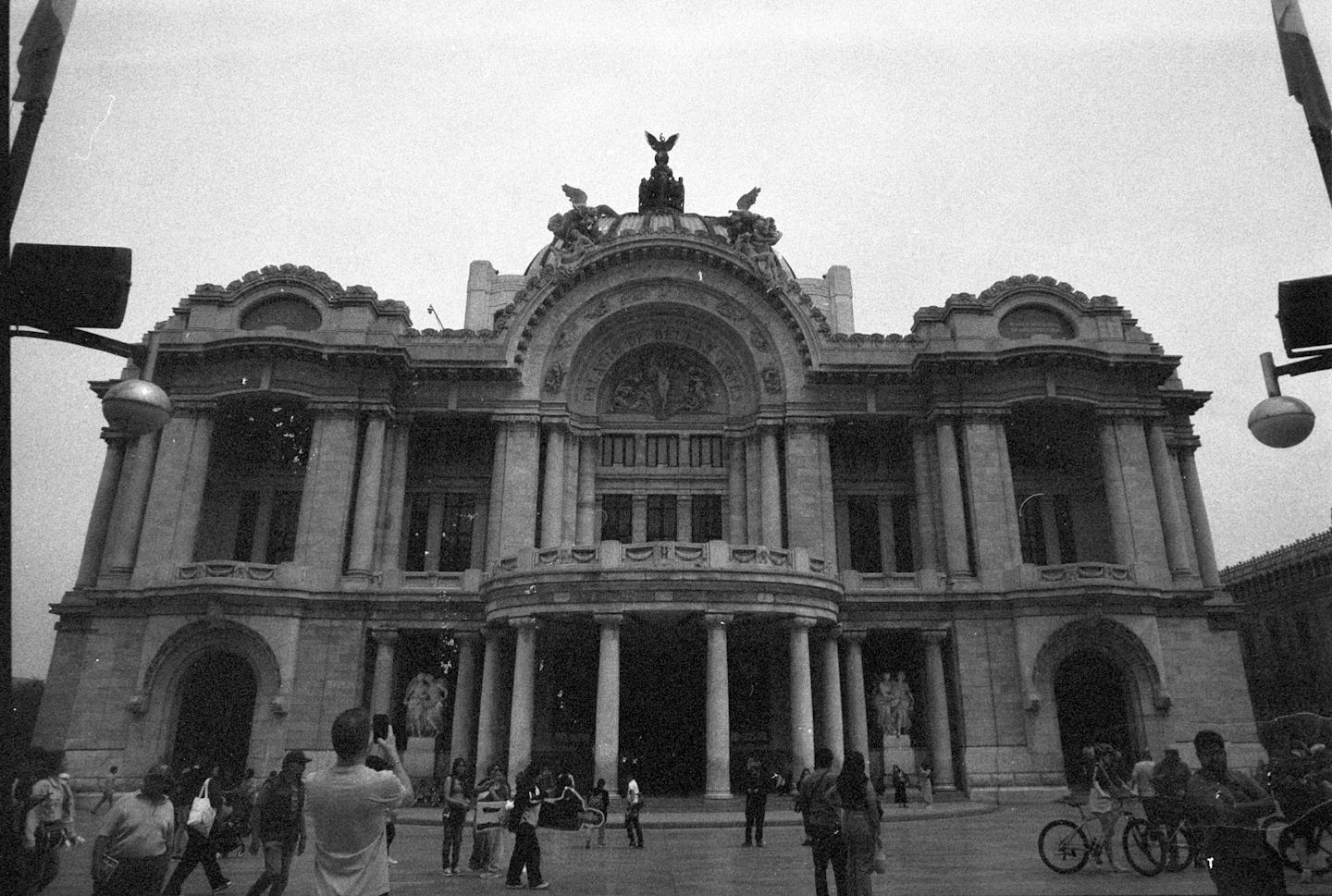
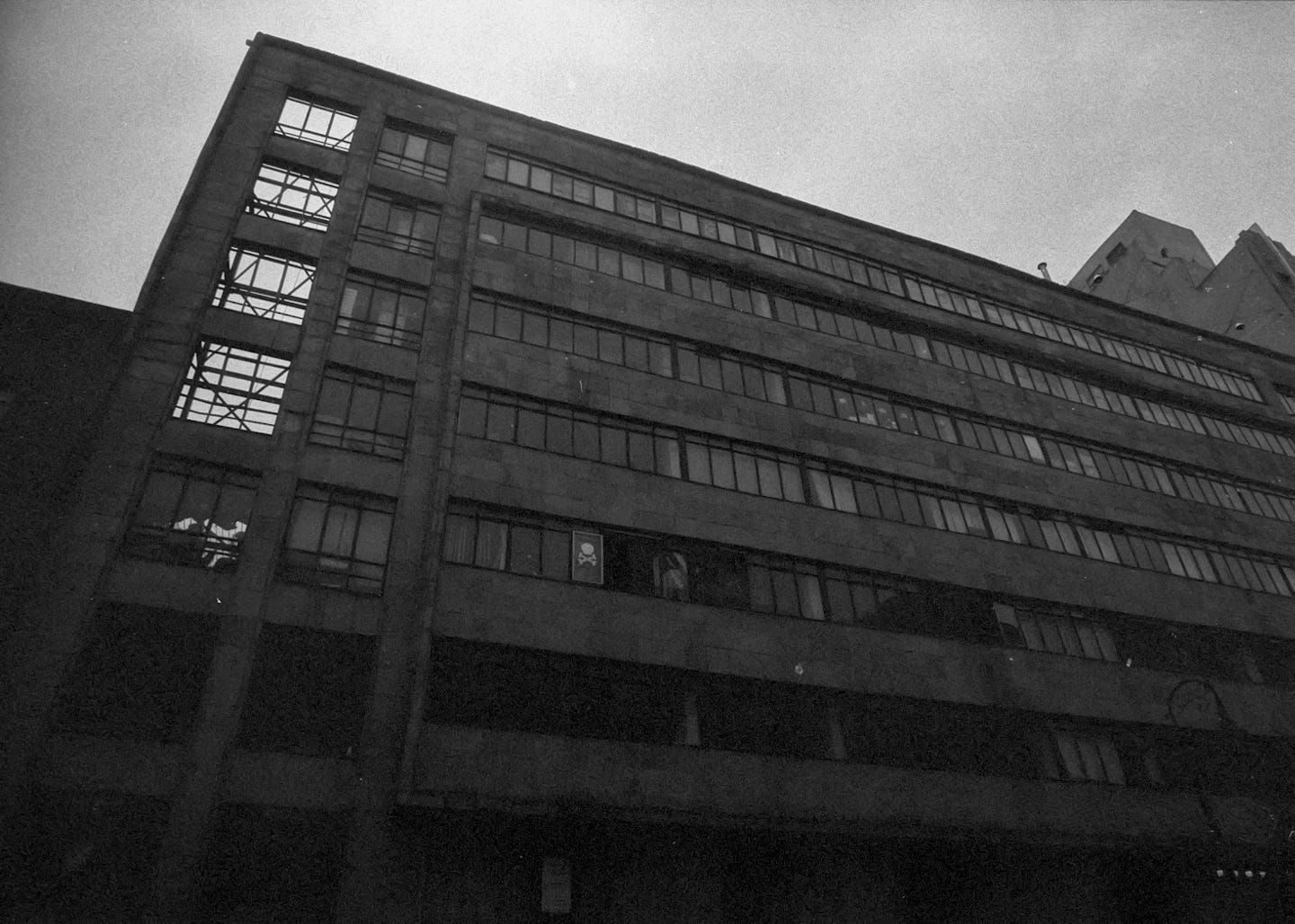
Plustek OpticFilm 8100: Great home scanner
The truth is, I've invested some money into this second era of analog photography. Honestly, two things weren't exactly exciting to me about scanning:
Waiting (at least) a week for the lab
Having to pay extra for bigger resolution scans
Using an Epson V600 scanner because they take up a generous amount of desk space
So, I decided to make an effort to get myself a Plustek OpticFilm 8200 scanner.
Installing the SilverFast 9 software was a breeze. Just two clicks on their official website, and it was up and running. I don't like that it uses USB-A ports, but hey, life isn't perfect. It works amazingly with my MacBook.
PROS
Takes up little space on the desk.
The film holder is precise and of good quality. It can hold six frames.
Most people think it's a slow scanner. For me, a minute between the pre-scan and the scan is nothing. Maybe it's the novelty of having a fun gadget, but so far, it doesn’t feel that slow. I can scan a roll in an hour at 300 DPI.
CONS
At first, SilverFast isn’t very intuitive. I confess that the process of pre-scanning, adjusting the frame selection box, and finally hitting scan didn’t seem obvious. However, the support is excellent. The software itself comes with short videos that quickly explain anything you might not understand.
It has presets, so you don’t have to manually adjust exposure and contrast. However, it doesn’t include any Fomapan settings, so you have to do it by hand. Just remember your settings and don’t let them reset after each scan.
You need to scan one by one your frames (it has batch mode, but haven’t tried yet). Not sure about this one, as I’m not sure if with Epson V600 you can scan several of them at once.
USB-A port (I’m being picky here)
More images from my first roll developed (and now scanned) at home

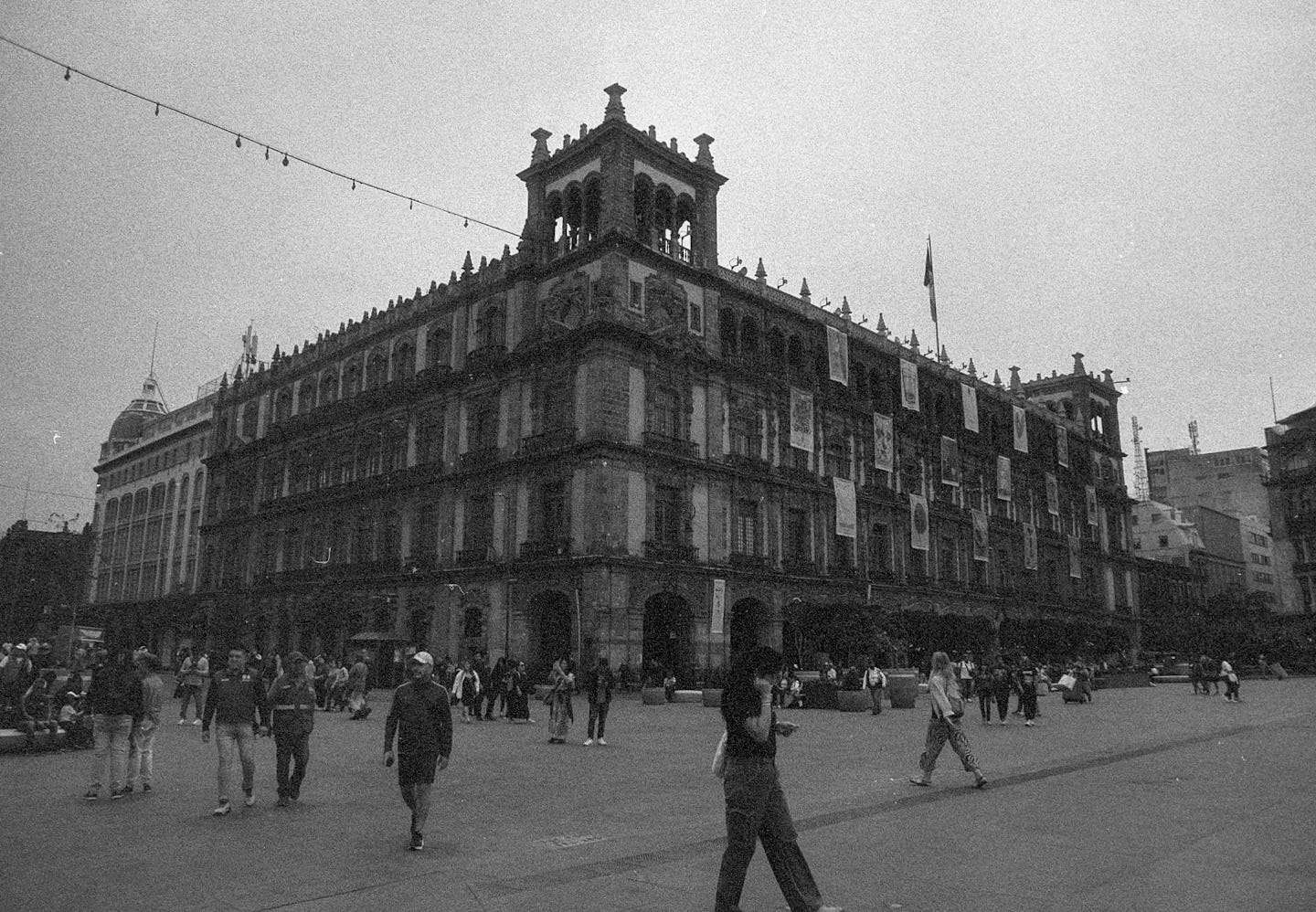

Accessories I Didn’t Consider but Helped Me Get By
I confess that with my first roll, I struggled a bit with things I hadn't anticipated. For example:
I needed to buy a thermometer to measure the temperature of the Cinestill D96 Monobath developer because, while the ambient temperature was within range, I needed to be sure to use the right development time.
Water spots were a bit annoying. The mighty Internet recommend using your fingers, but with caution. Others simply avoid it altogether. So, I went for the easy fix and bought one of those special tweezers to remove water from the negatives. Honestly, I used them carefully, and my subsequent rolls no longer have water spots.
I also bought a precision cutter to trim the negatives. There’s minimal space between each frame, and you have to cut precisely between them to assemble rows of six frames.
Lastly, I purchased a pack of film sheets to store the negatives. I endured a few days waiting for them while watching them gather dust. It was pure, unnecessary suffering. These aren’t photos that will win any awards, but it was my first batch developed and scanned at home, so I wanted to give them the care they “deserved”. I’m such a sentimental person, I know.
Final Thoughts
Looking back at this first roll developed at home, I have the following feelings towards it:
Developing and scanning at home is incredible. I'm enjoying every step. I’ve only done five rolls so far (which I’ll be sharing later), but wow, have I enjoyed it. I never got nervous about the results. Well, in the first one, after rinsing, I only saw a dark stripe in the beginning of the film, and got scared like for ten seconds, but those were the first frames exposed when loading the roll into the camera.
The Nikon F3 is a delight of a camera. It’s a bit heavy, honestly, but you can feel the power flowing through your hands. This ties back to my previous entry where I talked about my new photographic gear for this second stage of my analog photography.
I only had a 24mm lens that came with the Nikon, which is too wide for street photography. I would have loved to take portraits of the Aztec Warriors with a more narrow lens. But I’m glad that I could get the pictures. They came up ok, I just had to get really close to them.
I’m fortunate to already own a Voigtländer 40mm lens (spoiler: it’s amazing) that I’ll share images from in another post (though if you’ve seen my Notes, I’ve posted several there).
I believe Fomapan 400 is not for me. I like Fomapan 200 look better. It’s not that I dislike grain, in fact, I like it, but not in 400 speed. Let’s see how it goes, maybe this time I trusted too much on camera light meter and maybe there was not enough light (it was a bit cloudy, but not a dark day by any means).
Update: I’ve switched to Ilfosol 3 developer
Read all about it in this new post.
Your Turn
What do you think I could improve on in terms of developing and scanning based on the photos from this first roll?
Rick- The Palacio stands out to me. But your first picture for some reason is a great favorite. Maybe due to its bold clean lines? I appreciate you sharing.
I’ve been developing black and white at home since January, using Adox FX-39 as a developer with HP5 Plus, Kentmere 100 & 400, FP4, Tri-X 400 and Neopan Acros II… you get the idea. It’s mostly gone smoothly but I got weird colour shifts on a couple of rolls due to inconsistent water temperature (you live and learn). I’ve been scanning with my Nikon Zf + an adapted 60mm F2.8 macro using the Valoi Easy35 system and then inverting the negatives using Filmomat SmartConvert and any tweaks in Capture One. So far I’m happy with how things are going, but I’m considering buying the AGO film processor which ought to make colour processing much faster and easier.